
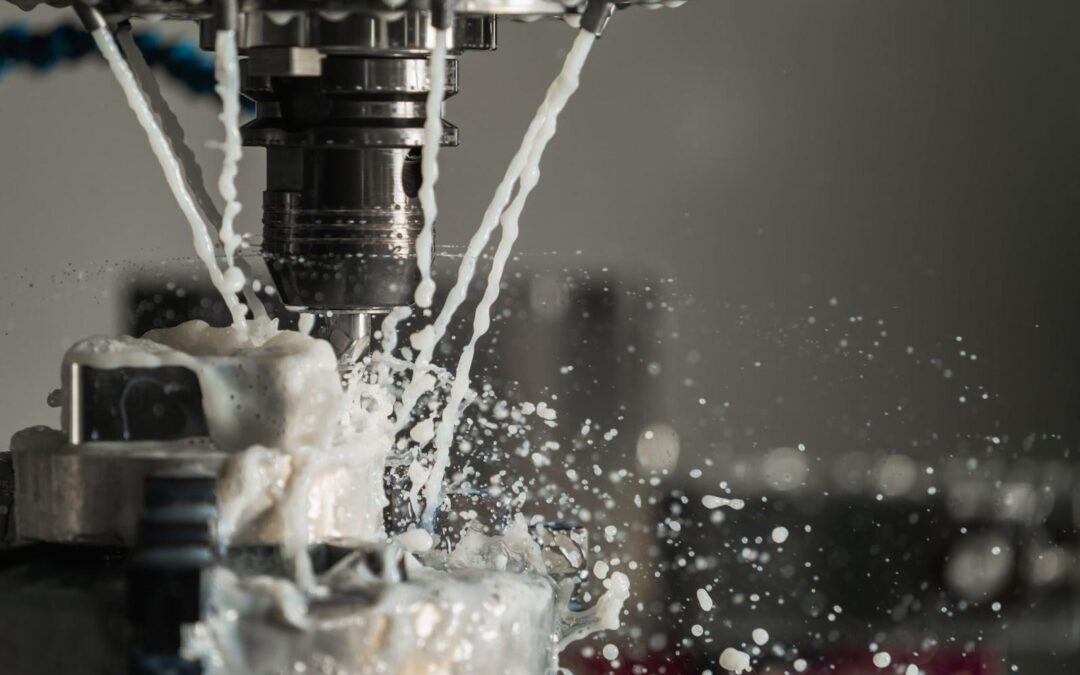
Computer Numerical Control, widely known as CNC, has reshaped modern manufacturing by transforming how products are designed, crafted, and delivered at scale. For beginners trying to understand this technology, CNC may seem complex at first—but at its core, it is a precise and automated way of shaping materials using coded commands. Instead of relying on manual labor or traditional machinery, CNC machines operate through computer instructions that dictate every movement, angle, and cut. This system delivers extraordinary precision, repeatability, and efficiency, making CNC the backbone of industries such as automotive, aerospace, electronics, construction, and even art. As global demand grows for high-quality products produced at faster speeds and with greater accuracy, CNC engineering continues to evolve. It is becoming not just a tool for large-scale factories but also an accessible solution for small businesses, hobbyists, and innovative startups that value accuracy, automation, and modern production workflows. Understanding what CNC machines do, how they operate, and why they matter is the first step toward appreciating the future of precision engineering.
At the heart of CNC technology lies the integration of digital design with mechanical performance. The process begins with CAD (Computer-Aided Design) software, where engineers or designers create detailed 2D or 3D models of the object they want to produce. These models are then translated into CAM (Computer-Aided Manufacturing) instructions, generating a series of commands known as G-code. The CNC machine reads this G-code line by line, interpreting it as a set of precise movements. Whether it’s a milling machine carving metal components, a router shaping wood, a lathe turning cylindrical objects, or a laser cutter slicing through materials, every action is controlled digitally. This eliminates the risk of human error, ensuring consistent output even across thousands of identical parts. CNC machines also allow for extremely intricate designs that would be nearly impossible to achieve manually. Advanced models can operate on multiple axes simultaneously, giving manufacturers the ability to produce curves, contours, and fine details with unmatched accuracy. Through this integration of software and mechanics, CNC machines bring digital precision into the physical world.
One of the most compelling advantages of CNC machines is their impact on productivity and operational efficiency. Traditional machining often requires highly skilled operators to perform manual measurements, adjust tools, and repeat cuts on multiple pieces. This process takes time, and even the most experienced machinists cannot match the consistency of automated systems. CNC machines, on the other hand, can run continuously with minimal supervision, producing uniform parts at a rapid pace. Once the initial program is set, machines can work day and night, making them ideal for businesses that need to scale production without dramatically increasing labor costs. CNC’s ability to reduce waste is another major benefit. Accurate cutting and optimized tool paths ensure materials are used efficiently, minimizing the cost of raw materials over time. Furthermore, CNC machines support dynamic adjustments, meaning engineers can tweak designs digitally without needing to rebuild tools or modify physical components. This allows manufacturers to respond quickly to client demands, market trends, and design improvements. In a world where speed and precision define competitive advantage, CNC technology is an essential asset for modern operations.
Beyond its role in large-scale manufacturing, CNC technology has also become a powerful tool for innovation, creativity, and education. Small workshops, artisans, and startups are increasingly turning to CNC machines to prototype new products, craft custom parts, and bring creative ideas to life. Woodworkers use CNC routers to carve detailed furniture components. Metal fabricators rely on CNC milling for custom brackets, engine components, and structural fittings. Jewelry makers use CNC engraving machines for intricate patterns, and makerspaces around the world introduce students to CNC technologies, teaching essential skills for tomorrow’s engineering workforce. In the realm of prototyping, CNC machines provide unmatched speed and accuracy. Designers can test multiple iterations of a product within hours, making faster refinements and launching finished products sooner. This acceleration of the development cycle has paved the way for more experimentation, more creative risk-taking, and a global community of innovators who rely on CNC machines as the backbone of their creative processes. CNC’s accessibility—paired with the growing availability of compact, affordable machines—continues to broaden the landscape of modern engineering.
The precision engineering enabled by CNC also plays a vital role in safety, reliability, and long-term product performance. In industries such as aerospace, medical devices, and automotive manufacturing, even the smallest defect can lead to significant risks. CNC machines produce components with extremely tight tolerances—often within a few micrometers—meaning the final output meets strict industry requirements. This level of precision ensures that engines run smoothly, surgical equipment functions safely, and aircraft components remain stable during flight. CNC engineering also supports material diversity, allowing manufacturers to work with metals, plastics, composites, wood, foam, and advanced alloys. This versatility enables engineers to choose the perfect material for each application without compromising structural integrity. In addition, CNC machines reduce physical risks for workers by automating tasks that involve heat, sharp tools, and heavy machinery. As a result, manufacturing environments become safer, cleaner, and more efficient. These benefits reflect why CNC remains a cornerstone of reliability in industries that demand flawless results.
As technology continues to evolve, the future of CNC engineering is driven by automation, connectivity, and artificial intelligence. Modern CNC machines are integrating with IoT platforms, allowing operators to monitor performance, track maintenance needs, and adjust settings remotely. AI-enhanced systems can analyze data from thousands of previous jobs to optimize cutting paths, anticipate tool wear, and reduce production time even further. Multi-axis CNC machines are becoming more advanced, allowing craftsmen and engineers to create complex geometries for cutting-edge products. Hybrid systems that combine CNC machining with additive manufacturing (3D printing) are now emerging, giving manufacturers the ability to blend subtractive and additive processes for superior strength, smoother surfaces, and greater design freedom. These innovations highlight a new era where precision engineering becomes smarter, faster, and deeply integrated with digital ecosystems. For beginners stepping into the world of CNC, understanding these foundational concepts opens the door to a field that continues to shape modern technology. CNC machines have transformed from simple automated cutters into powerful engines of innovation—tools that elevate craftsmanship, redefine industrial workflows, and drive the future of global manufacturing with outstanding precision, reliability, and intelligence.