
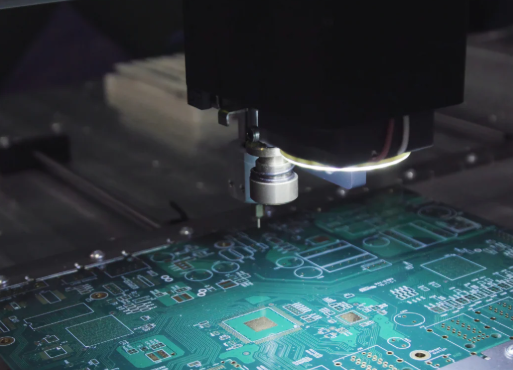
The global industrial landscape is changing rapidly as CNC systems, electronics engineering, and modern manufacturing technologies continue to merge into one unified ecosystem. What once required separate expertise is now becoming a connected network of automated machines, embedded controllers, and high-precision fabrication tools. This integration is driving faster production, higher accuracy, and greater efficiency across virtually every sector.
From consumer electronics to aerospace engineering, the synergy between CNC machining, electronic systems, and advanced manufacturing has redefined how products are designed, tested, and produced. This article explores how these fields connect and why their integration is essential in shaping the future of the industrial world.
CNC Systems: The Backbone of Precision Fabrication
“In today’s industrial ecosystem, CNC machining plays a crucial role in delivering unmatched consistency and accuracy across complex production tasks. Its ability to convert digital designs into high-precision physical components makes CNC machining essential for modern engineering
Kindly confirm once the link is added or let me know if you need any more details.
Thanks for your support!
CNC (Computer Numerical Control) machines are essential for producing high-accuracy components in industries that demand consistent output. By following digital commands from G-code and M-code, CNC machines can mill, cut, drill, and shape materials with unmatched precision.
Key Advantages of CNC Technology
-
High repeatability
-
Micron-level accuracy
-
Efficiency for both prototypes and mass production
-
Compatibility with metals, plastics, composites, and wood
-
Reduced reliance on manual labor
CNC technology is the foundation of precision engineering, ensuring that complex parts meet strict performance requirements.
The Critical Role of Electronics in Modern CNC Equipment
Electronics are central to CNC machine operation. Microcontrollers, sensors, motor drivers, and power systems provide the intelligence and stability needed for precise movement and real-time monitoring.
Essential Electronic Components in CNC Systems
-
Servo and stepper motor drivers
-
Embedded microcontrollers (Arduino, STM32, ESP32)
-
Power converters and industrial PSUs
-
Encoder sensors and limit switches
-
Touchscreen HMIs and digital displays
These components allow CNC machines to:
-
Control axis movement
-
Monitor position and temperature
-
Adjust spindle speed dynamically
-
Prevent collisions and errors
-
Communicate with other machines and networks
Without advanced electronics, CNC machines would not function with the level of precision required by today’s industries.
Manufacturing Transformation Through Automation and Connectivity
Manufacturing has evolved from manual processes to highly automated systems that integrate robotics, sensors, software, and CNC machining. Digital manufacturing concepts—such as Smart Factories and Industry 4.0—are redefining how companies operate.
Current Trends Accelerating Manufacturing Innovation
-
Industrial IoT (IIoT) for real-time monitoring
-
Robotics for material handling and assembly
-
AI algorithms for predictive maintenance
-
Simulation and digital twins for factory optimization
-
Hybrid manufacturing combining CNC and 3D printing
These advancements reduce operational costs, improve quality, and speed up production cycles.
How CNC, Electronics, and Manufacturing Interconnect
1. Electronics Power CNC Precision
Electronic control boards, drivers, and sensors enable automatic adjustments that ensure flawless machining.
2. CNC Supports the Electronics Sector
Many electronic devices rely on CNC machining for aluminum frames, PCB prototypes, connector housings, and thermal components.
3. Manufacturing Brings Them Together
CNC machines, robotic arms, and IoT devices operate as part of a unified production system.
4. Smart Industrial Systems Require All Three Fields
To build an Industry 4.0 environment, companies need advanced machinery (CNC), intelligent controls (electronics), and seamless production processes (manufacturing).
Industry Applications of CNC and Electronics Integration
Electronics Industry
-
CNC milling for smartphone cases
-
CNC machining for laptop frames
-
Heat sink fabrication
-
Precision parts for PCB assemblies
Automotive & Aerospace
-
Engine components
-
Gear systems
-
Titanium and aluminum structural parts
Robotics and Automation
-
Custom brackets
-
Linear motion components
-
Sensor housings
Medical Technology
-
Surgical tools
-
Implant components
-
Diagnostic device enclosures
CNC and electronics show their strength in both macro-scale manufacturing and micro-precision engineering.
Embedded Electronics: The Brain of Smart Manufacturing
Modern manufacturing relies on embedded systems to automate decision-making and enhance machine performance.
What Embedded Systems Do
-
Collect production data
-
Adjust motor speeds and torque
-
Predict equipment failures
-
Enhance safety controls
-
Reduce energy consumption
Systems like STM32 or ESP microcontrollers enable machines to self-monitor and report data to centralized dashboards.
The Future of CNC, Electronics, and Manufacturing Integration
The integration of these technologies will grow exponentially, bringing several groundbreaking innovations:
1. Autonomous CNC Machining
AI-driven systems will create toolpaths, detect wear, and adjust machining parameters automatically.
2. Fully Connected Production Lines
CNC machines, robots, and sensors will communicate in real time through cloud-based platforms.
3. Advanced Material Machining
CNC machines will handle new ultra-strong materials used in aerospace and renewable energy.
4. Hybrid Manufacturing Technologies
Combining subtractive and additive methods into a single machine for faster production.
5. Sustainable Manufacturing Solutions
Electronics will optimize energy use, minimizing waste and lowering carbon footprints.
Conclusion
The integration of CNC systems, electronics engineering, and advanced manufacturing is reshaping how industries produce goods. Their combined power results in smarter factories, higher precision, and more efficient workflow—paving the way for the next generation of industrial innovation.
As technology continues to advance, the collaboration between CNC, electronics, and manufacturing will only grow stronger, creating a smarter, more connected industrial future.