
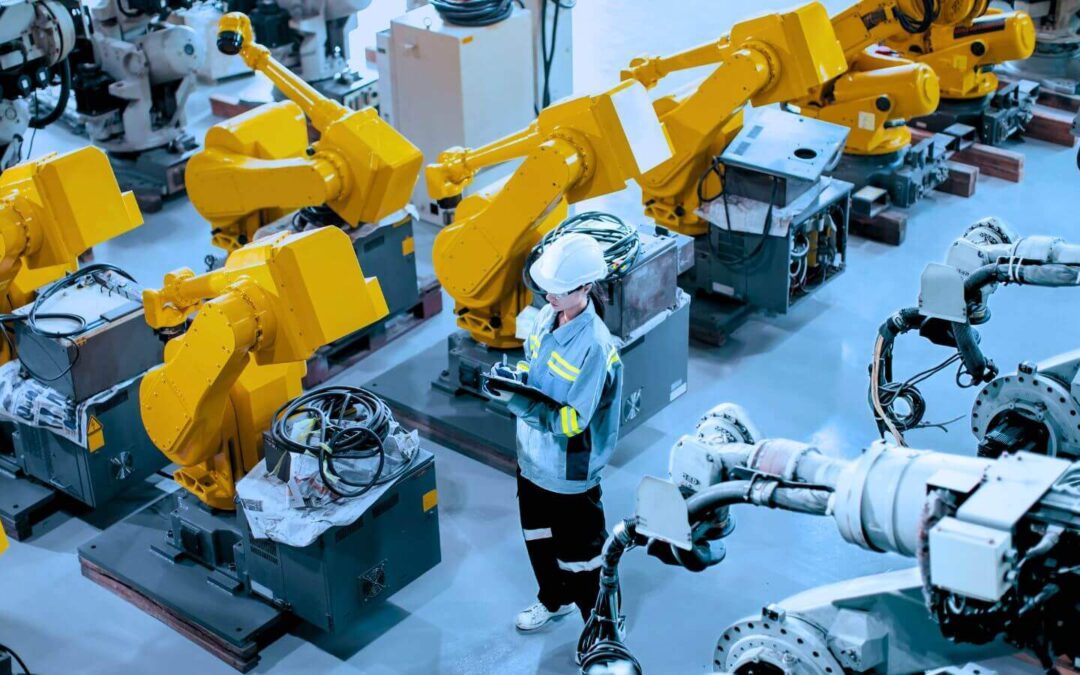
Manufacturers across the globe are undergoing a profound transformation as smart technology becomes the central driver of operational efficiency, productivity, and competitiveness. The traditional manufacturing model, once dominated by manual processes, isolated machines, and reactive maintenance, is rapidly being replaced by intelligent, data-driven systems that operate with remarkable precision and adaptability. Smart technology refers to the integration of advanced digital tools such as artificial intelligence, Internet of Things sensors, cloud computing, robotics, and real-time data analytics into manufacturing environments. This shift is not merely a technological upgrade but a complete redefinition of how factories operate, how decisions are made, and how value is created. By embedding intelligence into machines, production lines, and supply chains, manufacturers are gaining unprecedented visibility into every aspect of their operations. This visibility enables faster decision-making, greater accuracy, and a proactive approach to performance optimization. As global competition intensifies and customers demand faster delivery, higher quality, and more customization, smart technology has moved from being a strategic advantage to an essential foundation for modern manufacturing success.
One of the most impactful ways manufacturers are adopting smart technology is through the widespread deployment of industrial Internet of Things systems that connect machines, tools, and production assets into unified digital networks. IoT sensors embedded in equipment continuously collect data on temperature, vibration, pressure, energy consumption, and machine performance. This real-time data is transmitted to centralized systems where advanced analytics platforms interpret patterns, detect anomalies, and provide actionable insights. Instead of waiting for machines to fail, manufacturers now rely on predictive maintenance models that anticipate breakdowns before they occur. This approach dramatically reduces unplanned downtime, extends equipment lifespan, and lowers maintenance costs. Smart monitoring systems also optimize production schedules by identifying bottlenecks, balancing workloads, and adjusting output in response to real-time demand. The result is a highly responsive manufacturing environment where inefficiencies are identified and corrected instantly rather than after costly disruptions. As IoT networks become more robust and affordable, even small and mid-sized manufacturers are now able to adopt smart connectivity and achieve efficiency levels that were once only possible for large industrial enterprises.
Artificial intelligence is further amplifying the efficiency gains made possible by smart manufacturing technologies by transforming massive volumes of production data into strategic intelligence. Machine learning algorithms analyze historical and real-time data to optimize process parameters, forecast demand, and predict quality outcomes with exceptional accuracy. In production environments, AI-powered vision systems inspect components at high speed, detecting micro-defects that are invisible to the human eye and ensuring consistent quality at scale. In supply chain management, AI models dynamically adjust procurement, inventory levels, and logistics flows based on fluctuations in demand, raw material availability, and transportation conditions. This level of automation and intelligence significantly reduces human error and allows manufacturers to respond proactively to market changes rather than reactively to disruptions. AI also plays a central role in digital twins, which are virtual replicas of physical factories, machines, or processes. These digital models enable manufacturers to simulate production scenarios, test system changes, evaluate capacity expansions, and optimize workflows without interrupting real-world operations. By combining AI with connected systems, manufacturers can continuously refine performance, reduce waste, and maximize output with extraordinary precision.
Robotics and automation technologies are also playing a critical role in how manufacturers are boosting efficiency through smart systems. Modern industrial robots are no longer limited to rigid, repetitive tasks in isolated environments. Today’s collaborative robots, or cobots, are designed to work safely alongside human operators, enhancing productivity without replacing human expertise. These intelligent robots are equipped with sensors, vision systems, and adaptive control algorithms that allow them to perform complex assembly, welding, packaging, and material handling tasks with flexibility and accuracy. Automated guided vehicles and autonomous mobile robots streamline internal logistics by transporting materials between workstations without human intervention, reducing delays and labor costs. Smart automation also enables continuous production through lights-out manufacturing, where facilities operate around the clock with minimal supervision. This dramatically increases output capacity while maintaining consistent quality standards. As robotics technology becomes more affordable and easier to integrate, manufacturers of all sizes are leveraging automation to enhance speed, precision, and reliability across their operations.
Cloud computing and advanced data integration are further strengthening the efficiency gains delivered by smart manufacturing technologies by enabling seamless information flow across entire organizations. Cloud platforms allow manufacturers to centralize data from production lines, warehouses, supply chains, and customer systems into a unified digital ecosystem. This eliminates data silos and provides real-time access to critical performance metrics from anywhere in the world. Managers can remotely monitor machine utilization, energy consumption, production output, and quality indicators through intuitive dashboards and analytic tools. Cloud-based manufacturing execution systems synchronize operations across multiple facilities, ensuring consistent performance standards and faster coordination between departments. This level of connectivity also supports faster innovation by enabling global collaboration between engineering teams, suppliers, and customers. Design changes, software updates, and process optimizations can be deployed instantly across entire production networks without costly downtime. By moving manufacturing intelligence into the cloud, companies are creating more agile, scalable, and resilient production environments that can adapt rapidly to changing market conditions.
Sustainability and energy efficiency have become powerful drivers behind the adoption of smart manufacturing technologies as companies seek to reduce their environmental footprint while maintaining profitability. Smart energy management systems use real-time monitoring and AI-driven optimization to minimize power consumption across production lines, heating systems, and auxiliary equipment. Machines automatically adjust power usage based on workload demand, eliminating unnecessary energy waste. Advanced analytics also help manufacturers identify inefficient processes, optimize material usage, and reduce scrap rates. Predictive maintenance reduces the need for emergency repairs and premature part replacement, further minimizing resource consumption. Digital tracking systems improve supply chain transparency, enabling companies to source materials responsibly and comply with environmental regulations. As sustainability becomes a top priority for governments, investors, and consumers, smart technology provides a practical pathway for manufacturers to achieve both environmental and economic performance goals. By embedding intelligence into every stage of production, manufacturers can transition toward greener, more responsible operations without sacrificing efficiency or competitiveness.
Looking ahead, the adoption of smart technology in manufacturing will continue to accelerate as digital transformation becomes an industry-wide imperative rather than a competitive differentiator. The factories of the future will be fully interconnected, autonomous ecosystems where machines communicate with one another, production schedules adjust in real time, and decision-making is largely driven by artificial intelligence. Human workers will increasingly take on roles focused on system oversight, innovation, and strategic optimization rather than manual task execution. Cybersecurity, data integrity, and digital resilience will become just as important as mechanical reliability in protecting operations from disruption. As smart technologies evolve, manufacturers will gain the ability to forecast demand with near-perfect accuracy, eliminate waste across supply chains, and achieve unprecedented levels of operational efficiency. In a world where speed, quality, customization, and sustainability define industrial success, smart technology is no longer optional. It is the foundation upon which the next generation of manufacturing excellence is being built, transforming factories into intelligent, adaptive systems capable of thriving in an increasingly complex and competitive global economy.